
The Next Battlefield: Why Apple is Fighting to Keep Ads and Maps Out of the EU’s Gatekeeper Crosshairs
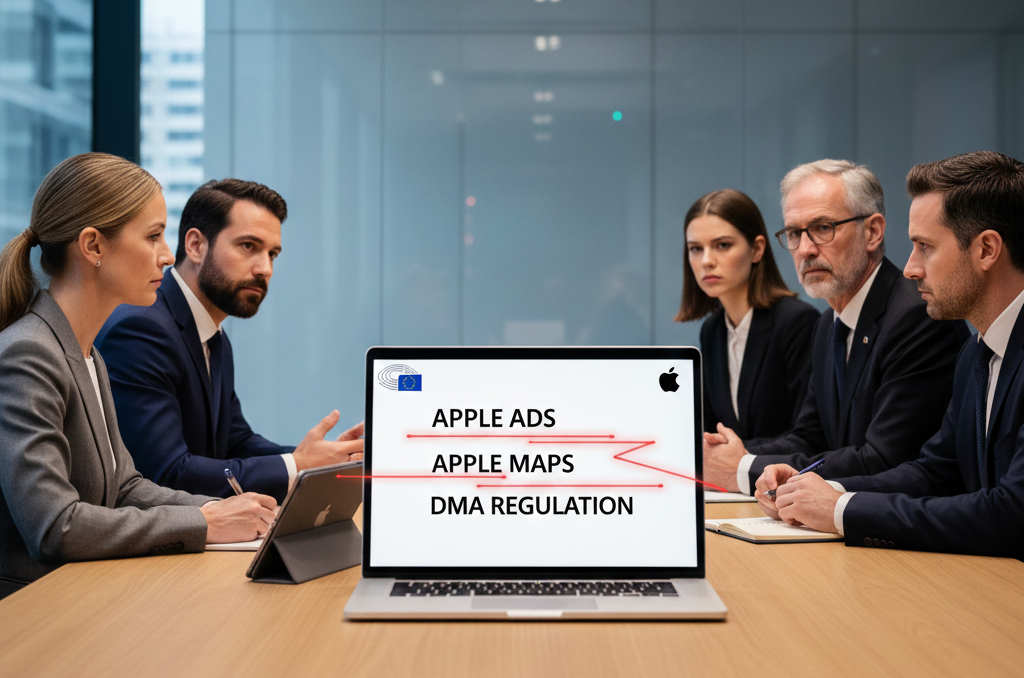
The global regulatory crackdown on Big Tech is expanding, moving beyond the obvious chokepoints—like the App Store—to scrutinize every powerful service within a giant's ecosystem. This week, the pressure intensified on Apple as the company officially notified the European Commission (EC) that its Apple Ads and Apple Maps services likely meet the quantitative thresholds for regulation under the Digital Markets Act (DMA).
However, Apple is simultaneously mounting a strong legal defense, arguing that despite meeting the numerical thresholds, these specific services should not be designated as "gatekeepers."
The Gatekeeper Definition: Where Regulation Begins
The DMA is designed to ensure fair competition and consumer choice by imposing strict rules on "gatekeepers"—large digital platforms that control access to major markets. While the App Store and iOS are already subject to the DMA, expanding the designation to Ads and Maps creates profound implications:
- Apple Ads: If designated, Apple would face tighter restrictions on how it uses data to target users, potentially benefiting third-party ad platforms and weakening Apple's ability to cross-promote its own services.
- Apple Maps: A gatekeeper designation could force Apple to open its maps data, routing technology, and unique hardware integrations to competing mapping services, fundamentally shifting the competition landscape for navigation and location-based services.
Apple’s Argument: Numbers Aren't Everything
Apple's legal argument hinges on the qualitative definition of a gatekeeper. They are reportedly asserting that neither Maps nor Ads acts as a critical gateway controlling the flow between businesses and end users in the same way the App Store does. Their defense likely centers on the fact that Google Maps dominates the market and that Meta and Google control the vast majority of the online advertising spend.
This standoff forces us to ask critical questions about the limits of competition and regulation:
- The Line in the Sand: Does meeting a numerical user threshold automatically equate to market control?
- Preventing Moats: Or, is the EC right to intervene before Apple Ads or Apple Maps becomes as dominant as the App Store, effectively preventing the building of new digital moats?
This regulatory expansion confirms that the fight between Big Tech and Brussels is far from over. It is a debate about where competition ends and regulatory oversight begins in the complex, interconnected digital world.
Comments ()