
Ethio Telecom Powers Ethiopia's Green Leap: The AI-Driven EV Charging Network
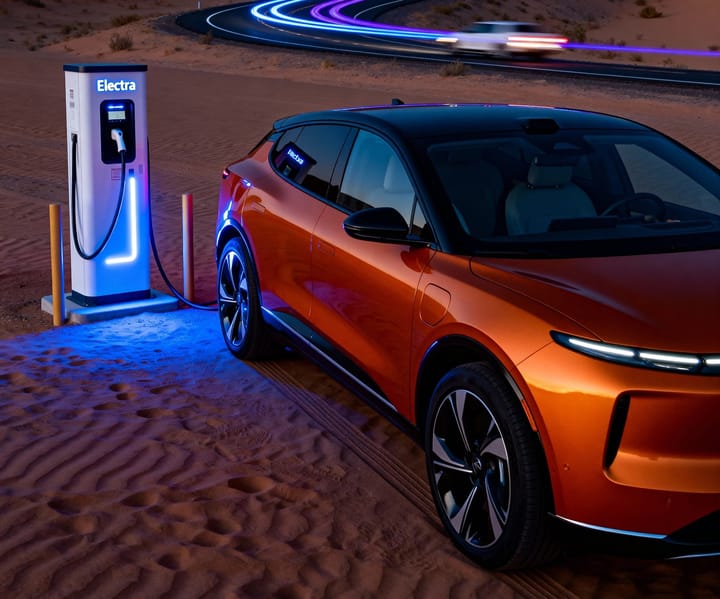
In a bold move that redefines the role of a traditional telecommunications provider, Ethio Telecom is rapidly becoming a cornerstone of Ethiopia's green energy transition. The state-owned giant just launched its third AI-powered, super-fast Electric Vehicle (EV) charging station in Addis Ababa, significantly expanding the nation's green mobility infrastructure.
This isn't just about charging cars; it's about building a smart, sustainable future from the ground up.
Beyond Connectivity: Building Critical Green Infrastructure
Ethio Telecom is demonstrating a powerful new model for telecoms: moving beyond voice and data to become a vital player in national infrastructure. The new station, like its predecessors, is equipped with high-capacity 180KWh chargers, capable of rapidly powering up electric vehicles.
What makes this network particularly innovative is its deep integration with:
- AI Diagnostics: Leveraging Artificial Intelligence for predictive maintenance, optimizing charging efficiency, and ensuring network reliability. This means smarter energy management and less downtime.
- Mobile Money Integration: Seamlessly linking the charging service with telebirr, Ethio Telecom's popular mobile money platform. This dramatically simplifies payment and access, making EV ownership more feasible for a wider population.
A Tangible Impact on Sustainability
The results are already impressive. Ethio Telecom's EV charging network has already:
- Serviced over 165,000 Electric Vehicles across its rapidly growing footprint.
- Prevented over 6 million kg of $\text{CO}_2$ emissions, making a significant contribution to Ethiopia's climate goals and air quality in urban centers.
This initiative positions Ethio Telecom as a leader in merging digital technology with sustainable infrastructure, proving that national telecoms can be at the forefront of the green energy revolution. It's a powerful model for other African nations looking to build out their EV ecosystems.
The question for the future: Is the future of national green infrastructure led by traditional telecoms? Which African country is moving the fastest on merging digital tech with green energy?

Comments ()